
Practices
Appellate
In the past three years alone, WTO lawyers have won appeals in six federal circuit courts of appeals and three state supreme courts, as well as various lower courts in multiple states. 82% of WTO associates have served appellate or federal court clerkships. These numbers set WTO apart when it comes to achieving clients' goals through the appellate process.
WTO attorneys handle numerous cases from litigation through trial, and following trial through appeal. Many clients also hire WTO for appeals of adverse verdicts handled by other firms. We understand that careful study of the record and efficient resolution are both important to new appellate clients. From the outset of such engagements, WTO attorneys ask questions and listen carefully to understand how best achieve success for our clients.
Trial Instincts, Appellate Aptitude
Trial experience sets WTO's appellate lawyers apart. Our extensive trial experience informs our appellate strategies, long before the appellate stage. At the same time, our deep appellate knowledge helps our trial teams preserve the record in all the ways that matter most to appellate outcomes.
WTO attorneys prepare for every case as if it will go to verdict, and we approach each trial as if the outcome may be appealed. When an appellate lawyer joins a trial team to preserve critical issues, and when that attorney understands how to do so without impairing the prospects for a trial court win, clients come out ahead.

Press Releases
Press Releases
Press Releases
Press Releases
Press Releases

Client Wins
Press Releases
Cases
- Won on behalf of a home appliance trade association in a complex federal constitutional case challenging state legislation on First Amendment grounds.
- Affirmed on appeal our team's jury verdict for DISH Wireless in a contract dispute worth hundreds of millions of dollars.
- Representing public telecom company as lead counsel in the Colorado Supreme Court in putative federal Securities Act class action on an issue of first impression under Colorado procedural rules.
- Representing healthcare system in the appeal of a nuclear verdict in Oklahoma.
- Lead appellate counsel for insurer facing one of the largest bad faith jury verdicts in the country for a single plaintiff.
- Argued before the U.S. Supreme Court in October 2025, in a case that could have tort reform implications for a majority of states.
- Representing the City and County of Denver in the appeal of a multi-million-dollar federal jury verdict.
- Lead appellate counsel for wireless company in national commercial dispute implicating hundreds of millions of dollars in lease payments.
- Representing debt purchaser as lead appellate counsel in state supreme court on an issue of first impression affecting the debt buying industry.
- Won reversal of a multi-million-dollar jury verdict and a complete retrial for an Arizona health system and physician, based on opposing counsel's misconduct during closing argument.
- Won a defense victory on appeal in a multimillion dollar insurance and construction defect dispute, overturning an adverse jury verdict, winning judgment on the most significant portion of the claim, and receiving a complete retrial on all other issues.
- Won a Colorado Court of Appeals decision for electric scooter company Lime in a "duty of care" case. The court upheld a lower court's dismissal of negligence claims.
- Won case-ending summary judgment for one of the world's largest companies in a catastrophic injury case in which the plaintiff sought over $130 million in damages.
- Won a $50 million Colorado Supreme Court victory for Denver International Airport, overturning adverse bench trial and lower appellate court opinions and creating precedent that prohibits putative plaintiffs from using delay tactics to gain an unfair advantage in litigation.
- Won a Colorado Supreme Court opinion for Crestone Peak Resources in a lease dispute with significant implications for Colorado's oil and gas industry.
- Won reversal of an adverse standing ruling in the Tenth Circuit in a pro bono appeal for a nonprofit taxpayer advocacy group challenging state registration and disclosure regulations for organizations that meet certain spending thresholds.
- Won on an issue of first impression before the Colorado Court of Appeals for an insurance company. The published opinion states that administrative determinations in workers' compensation proceedings do not have preclusive effect in subsequent bad faith cases, protects the efficiency of administrative proceedings, and preserves employers' ability to present complete defenses at trial.
- Assisted with winning a unanimous appellate decision for an online education provider against a school district, affirming WTO's prior victories for the client in district court and before the Colorado State Board of Education.
- Successfully defended Colorado's new congressional map to the Colorado Supreme Court in a fast-paced appeal. The appeal raised complicated, novel questions of constitutional law, and was the first time the court applied Colorado's new laws governing congressional redistricting. Over a dozen parties filed briefs, and argument was held less than two weeks after the Commission adopted the map.
- Won a precedent-setting victory in an appeal of a medical malpractice case involving the Colorado Health Care Availability Act's collateral source provision and $1 million damages cap.
- Represented an oil and gas company as post-trial and appellate counsel to defend a verdict of over $40 million in a complex commercial dispute involving an agreement to develop hydrocarbon assets.
- Counsel in a federal jury trial in a multimillion-dollar dispute concerning alleged construction defects in a large residential development; won on appeal.
- Served as appellate preservation counsel to a natural resources company for a jury trial in a commercial dispute with tens of millions of dollars in claimed damages.
- Argued and won in the Colorado Supreme Court for Ford Motor Co., clarifying Colorado law and affirming that when a defendant appeals a judgment, market-based interest must be applied from the date of the first judgment until satisfaction of the final judgment.
- Won an appeal regarding the construction of the Colorado Governmental Immunity Act.
- Won a Tenth Circuit appeal affirming WTO's trial victory for a pro bono client who brought claims involving violations of international kidnapping protections under the Hague Convention. The appeal affirmed the trial court's decision to order the child back to her home country.
- Won in the First Circuit for a major shipping logistics company to affirm dismissals of wage theft and other claims under state and federal law.
- Successfully defended a favorable class certification ruling in the Ninth Circuit on behalf of a major shipping logistics company.
- Won a groundbreaking appeal successfully arguing a motion to vacate a $150 million arbitration award on behalf of the majority owner of Colorado cannabis corporation.
- Won a Kentucky appeal for a law firm accused of aiding and abetting a client's breach of fiduciary duty in a $500 million estate dispute.
- Won a $20 million personal injury case in the Colorado Court of Appeals involving catastrophic claims related to complex regional pain syndrome (CRPS). The result affirms WTO's prior motion to dismiss victory.
- Won Eighth Circuit affirmance for a major insurance company to uphold WTO's trial court victory in a motion to dismiss. Following oral arguments, the panel ruled that WTO's client complied with state laws regarding the settlement of total loss claims.
- Won an appeal for Ford in the Tenth Circuit Court of Appeals upholding WTO's trial court victory in a case arising out of a rollover crash and allegations that the vehicle roof was defective.
- Successfully defended summary judgment wins before the U.S. Court of Appeals for the Second Circuit in multiple employment discrimination cases.
- Preserved exclusive rights for independent soft drink distributors in the Second Circuit against a large national distributor in a matter with billions of dollars at stake across the industry.
- Argued remotely and won reversal of a $15 million medical malpractice jury verdict in the Colorado Court of Appeals. The court ruled that the Corporate Practice of Medicine Doctrine precluded the plaintiff's claims against WTO's surgery center client.
- Won Montana Supreme Court victory for a health system in a putative consumer class action that challenged its policy of issuing refunds in the form of pre-paid debit cards. The victory affirmed WTO's prior summary judgment win and defeated the plaintiff's new claims on appeal.
- Represented a major car maker in certiorari-stage proceedings in the U.S. Supreme Court, preserving a favorable lower court decision that precluded liability for a class of employment discrimination claims.
- Led appellate strategy in post-trial motions in an oil and gas industry matter which resulted in settlement prior to appeal.
- Briefed the contested issue of what constitutes oil production in an oil and gas industry case before the Colorado Court of Appeals.
- Represented a temporary staffing agency in the appeal of the largest individual personal injury judgment in Colorado history.
- Represented a national market leader in cannabidiol-based wellness products in an emergency petition to the Colorado Supreme Court to reduce the scope of damages available at an impending breach-of-contract trial.
- Represented an airport fixed-based operator as amicus counsel in a Colorado Supreme Court appeal affecting tax liability for lessees on public land across the state.
- Authored amicus brief on a question certified from the Second Circuit urging New York's highest court not to adopt cross-jurisdictional class action tolling.
- Authored amicus brief for the Product Liability Advisory Council urging affirmance of holding that state law consumer fraud claims against drug manufacturer were preempted under the Supreme Court's impossibility preemption principles.
- Won a groundbreaking state supreme court ruling disqualifying a client's former lawyers from participating in a lawsuit against the client. The published opinion is the first state supreme court decision that disqualifies lawyers from pursuing litigation against an insurance-company client they previously represented.
- Won affirmance of WTO's trial victory for IBM Corp. in a $6.1 million municipal tax dispute.
- Won a significant appeal for Owners Insurance Company against a condominium association that filed an inflated insurance claim and sought more than $5 million in total damages.
- Prepared an amicus brief on behalf of the American College of Obstetricians and Gynecologists in case involving the reliability of expert testimony under Colorado law.
- Represented nationally recognized law professors in filing an amicus brief to the Texas Supreme Court explaining the contours of the "ministerial exception" to liability for churches in cases in which clergy sue for work-related torts or other claims.
- Won affirmance for Michelin to preserve a defense verdict WTO won in a nine-week product liability trial in Florida with $80 million to $1.2 billion at stake.
- Won a unanimous decision in Colorado's highest court preserving the state's longstanding regulatory approach for the oil and gas industry.
- Drafted a winning amicus brief for the Colorado Defense Lawyers Association in an alleged medical malpractice case against a chiropractor that establishes, for the first time, that a third party's involvement in a conversation between an attorney and a client waives the attorney-client privilege, unless the third party's presence is reasonably necessary to facilitate the communication.
- Successfully represented a prospective government contractor as part of a multi-firm team in the appeal of a government bid protest worth tens of billions of dollars.
- Won 67% reduction of post-trial damages (eliminating punitive damages) in a case involving stray-voltage claims and secured affirmance of the reduced award in the Wisconsin Court of Appeals.
- Drafted and filed an amicus brief to the U.S. Supreme Court, at the request of Sidley Austin and the Northwestern Supreme Court Clinic, in a matter involving immigration issues with dire consequences for the petitioner.
- Won an "extraordinary remedy" from the Colorado Supreme Court for an insurance company to reverse a trial-court order implying a waiver of the attorney-client privilege. The unanimous opinion establishes that the mere "fact that privileged information might become relevant in a given lawsuit could not alone be enough to establish an implied waiver."
- Argued before the U.S. Supreme Court in defense of Colorado's anti-discrimination laws in a closely-watched case that the national media described as a "blockbuster."
- Argued and won for FCA (fka Chrysler) in the Sixth Circuit in a case involving the question of whether federal legislation enacted following the Chrysler bankruptcy preempted Ohio state dealer laws.
- Won complete affirmance in the Tenth Circuit of landmark rulings governing insurance appraisals. In two published opinions, the Tenth Circuit affirmed trial court rulings vacating an eight-figure appraisal award against the client, disqualifying for bias a national policyholder appraiser, and sanctioning the policyholder and its lawyers for misconduct in connection with the appraisal.
- Successfully preserved a landmark state law reforming tenure policies for public school teachers.
- Argued before the U.S. Supreme Court in a case involving administration of an interstate water compact governing a river system that provides drinking water and irrigation to over six million people in three U.S. States and Mexico.
- Won a Tenth Circuit appeal for a leading U.S. railroad operator defending a district court order that dismissed a third-party intervenor's claims against WTO's client based on lack of standing to enforce an EPA consent decree.
- Won Second Circuit affirmance for a Michelin subsidiary upholding summary judgment from the Southern District of New York. The case involved fraud perpetrated by a former employee and a third party.
- Submitted an amicus brief for a Wyoming client in a Tenth Circuit appeal involving the boundaries of a Native American reservation. The issue involved potential expansion of tribal court jurisdiction over hundreds of businesses and thousands of residents outside the reservation. In its opinion, the Court agreed with WTO's client.
- Won a significant victory for Ford Motor Co. in the Colorado Supreme Court. The case reestablishes that the risk-benefit test is the appropriate test for juries to assess whether a product has been defectively designed. The Court also held that a manufacturer could not be negligent if it designed a "reasonably safe" product.
- Served as appellate preservation counsel in a First Amendment case challenging a major university's policies regarding the recognition of religious student groups.
- Won affirmance preserving WTO's trial court dismissal of a wrongful termination lawsuit involving the public policy exception to employment at will.
- Won unanimous Seventh Circuit victory in a fee dispute for Whirlpool and Sears arising out of a certified federal class action lawsuit that WTO favorably settled after winning a defense verdict in the bellwether trial of related claims.
- Won a complete victory in the U.S. Supreme Court in an interstate pollution case claiming hundreds of millions of dollars in damages. Convinced the U.S. Department of Justice to file a brief supporting the client's position.
- Won a U.S. Supreme Court ruling that overturned a Colorado Supreme Court decision severely restricting local governments from pursuing school choice policies.
- Argued a challenge to state rules governing refunds of criminal fees. Helped lead a subsequent legislative effort to make Colorado a leader in granting due process rights to criminal defendants who seek refunds after reversal of their convictions.
- Argued before the U.S. Supreme Court in a case challenging jury secrecy rules that dictate when a verdict is subject to challenge in claims of individual juror bias. National media called this a "top five" case of the term.
- Won Montana Supreme Court reversal of class certification against USAA in bad faith litigation and remand to the district court for further proceedings.
- Won for Foster Wheeler in an asbestos failure to warn case involving the government contractor defense. The Fourth Circuit reversed and remanded to the district court following WTO's arguments in this matter of first impression.
- Won a Rule 21 petition (an "extraordinary remedy") for Ford to the Colorado Supreme Court in a case involving general jurisdiction and venue claims. The opinion makes it harder for companies with no connection to Colorado to be sued in the state.
- Won an emergency, eve-of-trial appeal to the Colorado Supreme Court to preserve core legal claims in a consumer protection case with tens of millions of dollars in potential monetary awards.
- Won Colorado Supreme Court reversal of a unanimous court of appeals ruling in a case of national importance to the insurance industry. In its ruling for Travelers, the Court held that the "notice-prejudice rule" does not apply to "no-voluntary-payment" provisions in insurance policies. This was WTO's fifth consecutive, fully-argued victory before the Colorado Supreme Court in two-and-a-half years. Law360 named Stresscon one of the top five insurance rulings of 2016.
- Won a victory in the Colorado Court of Appeals for Continental Resources in a dispute involving purported rights to a Colorado oil and gas lease.
- Successfully defended Colorado's marijuana regulatory framework before the U.S. Supreme Court and the Tenth Circuit, defeating federal preemption claims that would have prevented states from tightly regulating the supply side of the multibillion-dollar marijuana market. Persuaded the U.S. Department of Justice to support the client's position before the Supreme Court.
- On remand from the U.S. Supreme Court, won a judgment upholding sales tax collection rules for e-commerce companies. That judgment set the stage for a Supreme Court decision that fundamentally reshaped e-commerce tax law across the country. Also authored a Supreme Court amicus brief cited in the majority's opinion.
- Won a unanimous opinion from the Colorado Supreme Court that upholds Colorado's strict privity rule in determining whether non-client beneficiaries may sue an estate lawyer for malpractice or professional liability. In its opinion, the Court adopted the most stringent test, as WTO advocated, and affirmed that the plaintiffs lacked standing to sue our clients.
- Won a unanimous, precedent-setting decision in the Colorado Supreme Court that required the nation's largest consumer litigation finance company to abide by state lending laws.
- Prevailed before the Tenth Circuit Bankruptcy Appellate Panel, which affirmed a bankruptcy court's order of summary judgment for WTO's client, a law firm that had been sued for representing its client in bankruptcy proceedings that became intertwined with a protracted divorce in which the plaintiff (to the appeal) was a party.
- Won a precedential, Third Circuit opinion for Volvo that vacated a district court's order to certify classes in six states to pursue claims that the sunroof drains in all Volvo models manufactured from 2003 to the present are defective. The circuit court remanded the case with instructions to "rigorously analyze predominance in the first instance."
- Won a ruling from the U.S. Supreme Court that vacated an adverse decision of the Tenth Circuit and opened up new legal arguments for a client on remand to the trial court.
- Authored an amicus brief for interested parties including the U.S. Chamber of Commerce and the National Association of Manufacturers to highlight issues involving the dangers of certifying classes of predominantly uninjured consumers.
- Won Fifth Circuit affirmance of a trial court's summary judgment for Michelin in a case alleging that Michelin and General Motors conspired to prevent the plaintiff from obtaining Michelin racing tires for use in the American Le Mans racing series. The original complaint included antitrust claims, which were dismissed, and unfair competition claims that survived until discovery, when no evidence supporting such claims was produced and the trial court granted summary judgment.
- Won Montana Supreme Court affirmance of a jury verdict favoring Ford Motor Company in a product liability case involving a fatal car accident.
- Assisted a biotech company in an appellate briefing before the Federal Circuit, resulting in reversal of an adverse summary judgment and remand to the state court where our client had filed the complaint.
- Won Tenth Circuit affirmance of a lower court ruling for AT&T in an ERISA dispute.
- Won affirmance from the Colorado Court of Appeals in a defense verdict for WTO's labor and delivery nurse client. Plaintiffs had claimed $17 million in this obstetrical malpractice claim.
- Won an appeal argued before the Colorado Supreme Court challenging a trial court's order to submit Quality Management Privileged (QMP) materials relating to an incident at issue in a medical malpractice trial. The appellate decision is significant, as the QMP designation allows hospitals and healthcare providers to assess and innovate following critical incidents without concern that their discussions will be discovered.
- Obtained complete dismissal of a ten-count discrimination complaint against a Fortune 100 client. WTO won the ensuing appeal to the Tenth Circuit, affirming the trial court's dismissal in full.
- Won before the Colorado Court of Appeals for an insurance company in a breach of contract matter.
- Authored petitions for writs of certiorari in the high-profile appeals of class certification in Glazer v. Whirlpool and Butler v. Sears, which the Supreme Court granted, vacated, and remanded to the Sixth and Seventh Circuits for reconsideration in light of the Court's decision in Comcast v. Behrend.
- Won back-to-back Colorado Court of Appeals victories in June 2013 in legal malpractice cases involving claims of failure to disclose, negligent misrepresentation, fraudulent concealment, and breach of fiduciary duty.
- Obtained victory before the Colorado Court of Appeals for a bariatric surgeon. WTO lawyers tried and won the original case, which involved alleged complications following gastric bypass surgery. The Court of Appeals rejected the plaintiff's assertions that the lower court erred in precluding certain expert testimony and affirmed the 2011 trial court verdict.
- Won Tenth Circuit reversal of a federal district court jury verdict favoring the plaintiff and secured a judgment in favor of Ford Motor Co. in a product liability case involving a rollover crash in which the plaintiff was rendered a quadriplegic.
- Won a reversal from the Tenth Circuit in favor of BP in a case alleging underpayment of royalties.
- Defended the appeal to the Tenth Circuit of a 2010 jury verdict WTO won for AT&T in a high-profile whistleblower case. Law Week Colorado called the underlying trial court victory one of the "Top Defense Verdicts of 2010."
- Defended the appeal to the Colorado Court of Appeals of a 2010 jury verdict that WTO won for Ford Motor Company in an electronic throttle product liability case.
- Defended the appeal to the New Mexico Court of Appeals of a 2009 jury verdict that WTO won for a large food store in a personal injury case.
- Drafted an amicus curiae brief for the U.S. Chamber of Commerce in an appeal urging the U.S. Court of Appeals for the Seventh Circuit to correct the district court's improper application of the federal officer removal statute. The Seventh Circuit reversed the remand order from the Southern District of Illinois.
- Briefed an appeal in the United States Court of Appeals for the Second Circuit, resulting in full affirmance of a verdict in favor of WTO's client, Chrysler Group, on a federal statutory issue of first impression stemming from Congress's enactment of Section 747 of the Consolidated Appropriations Act of 2010.
- Won summary judgment from the West Virginia Supreme Court in a federal preemption case involving claims that Ford Motor Co. should have used different glass in its vehicle windows.
- Won affirmation of a trial court's summary judgment ruling and exposed "pollution for profit" in protracted CERCLA litigation for our engineering client before the Tenth Circuit.
- Won affirmation for Chrysler before the California Court of Appeals in an opinion that established favorable precedent for manufacturers operating in California. The Court affirmed a trial court's complete dismissal of claims against Chrysler for rejecting a prospective dealership purchaser.
- Won a Colorado Court of Appeals opinion upholding WTO's jury defense verdict in a medical malpractice trial involving shoulder dystocia.
- Successfully appealed to the Colorado Supreme Court a case WTO won at the trial court level, but which was reversed by the Colorado Court of Appeals. Following arguments, the Colorado Supreme Court's published opinion restored the complete victory for the insurer in this precedent-setting case of first impression and made it easier for commercial property insurers to understand and follow Colorado's statutory notice requirements.
- Won an appeal for Pfizer in a groundbreaking preemption case before the Third Circuit.
- Won affirmance from the Colorado Court of Appeals for four doctors in a medical tort case involving wrongful death claims relating to medical treatment provided to the plaintiff's husband before his death.
- Won affirmance from the Tenth Circuit of summary judgment for an insurer in a case seeking unlimited no-fault benefits for alleged failure to offer no-fault benefits.
- Obtained reversal in the Ninth Circuit Court of Appeals of a trial court's refusal to send a contract dispute to arbitration. WTO successfully resolved the case for a telecommunications company client after the Ninth Circuit ruling.
- Argued and won a U.S. Supreme Court victory for Honda in a precedent-setting case involving federal preemption standards as applied to airbags in the automotive industry.
- Won summary judgment in favor of Mercedes-Benz and won appeal of summary judgment based on the plaintiff's inability to prove ascertainable loss.
Attorneys
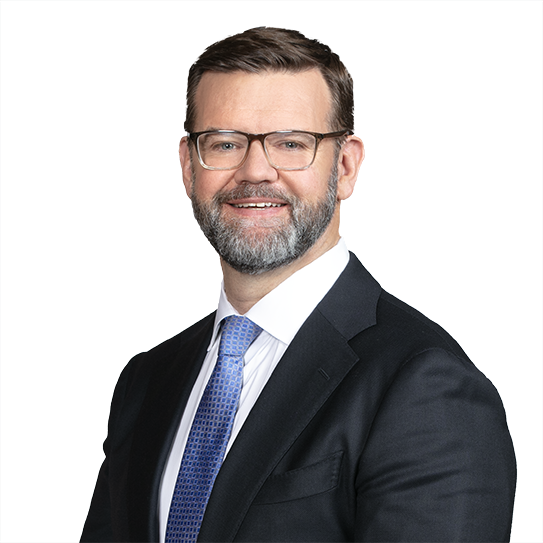 Galen D. Bellamy
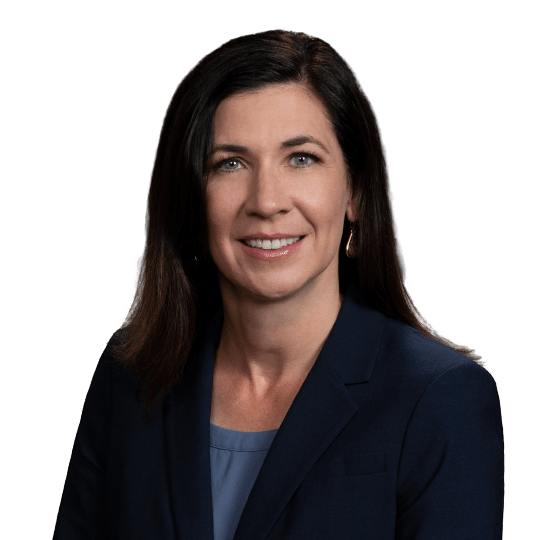 Meghan Frei Berglind
 Lindsey E. Dunn
 Kate K. Fletcher
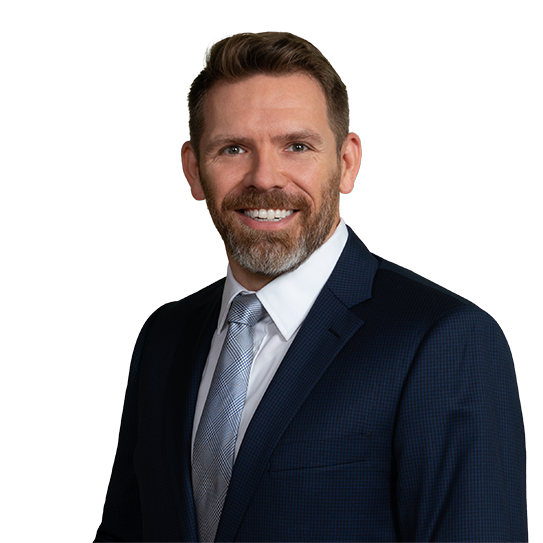 Andrew S. Gehring
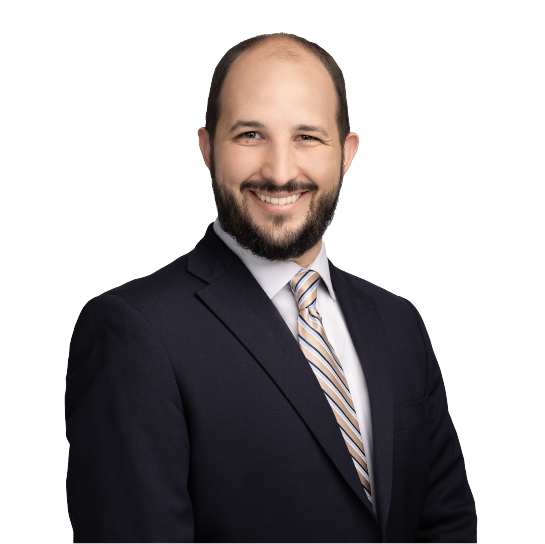 Kaleb D. Gregory
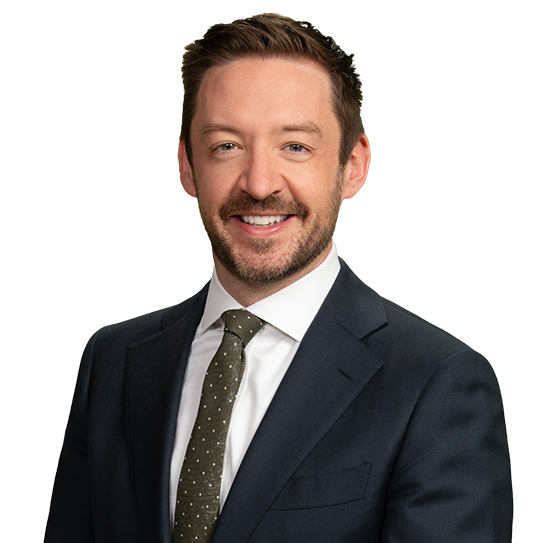 Kevin D. Homiak
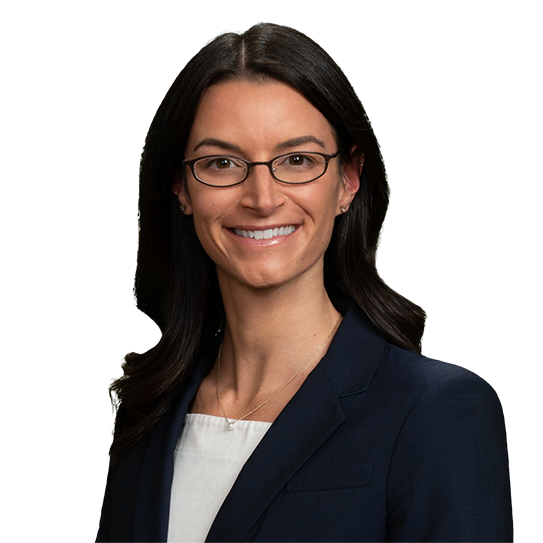 Christina L. Horan
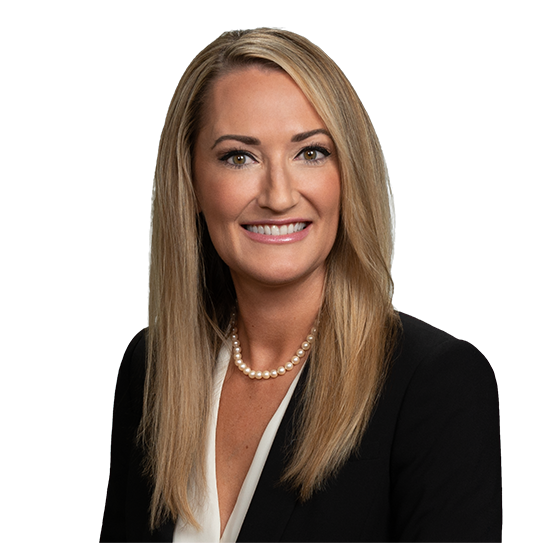 Nicole L. Jones
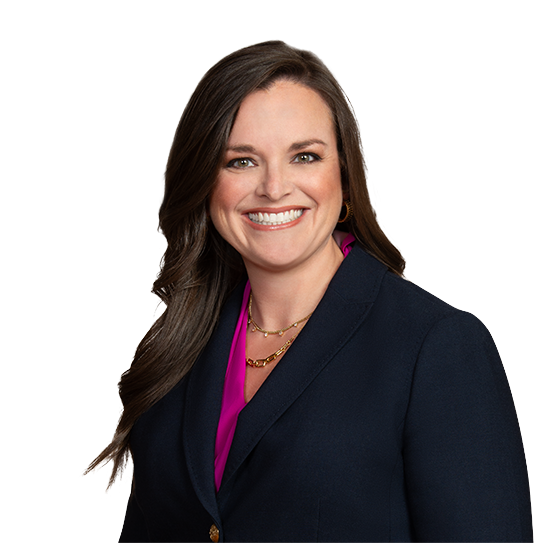 Colleen M. Koch
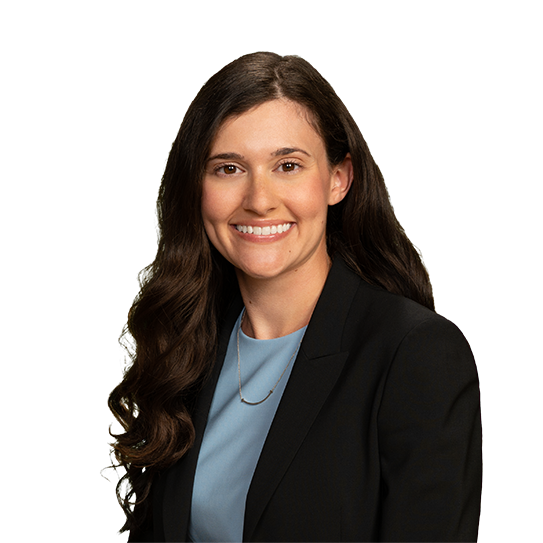 Gabrielle L. Lombardi
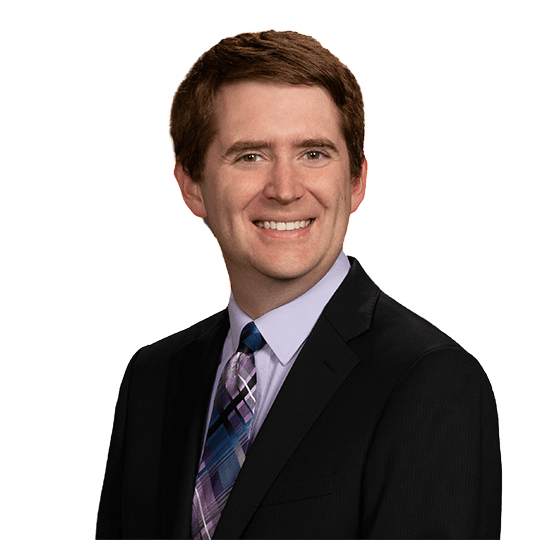 Brendan L. Loy
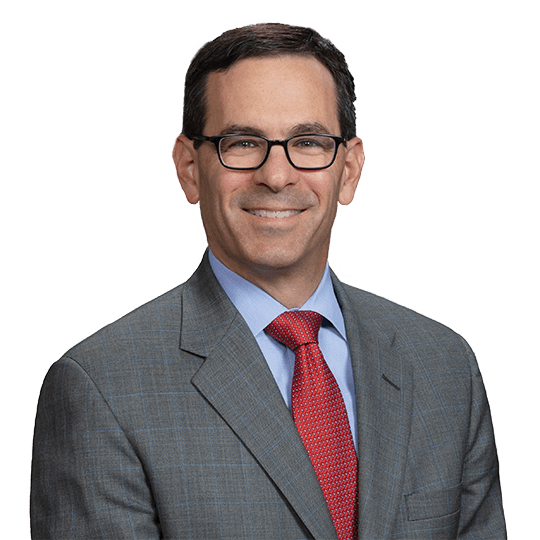 Craig R. May
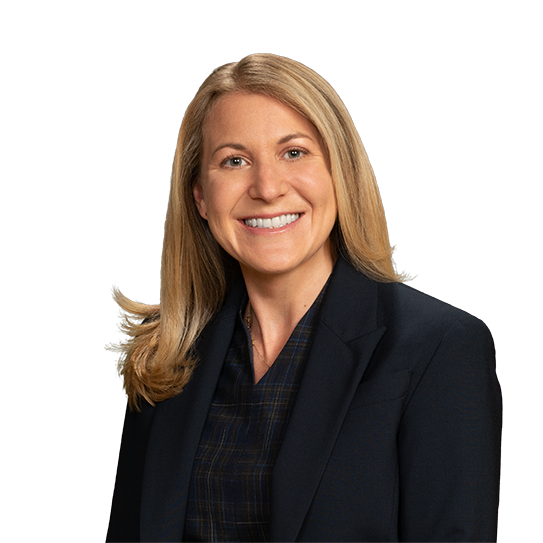 Allison R. McLaughlin
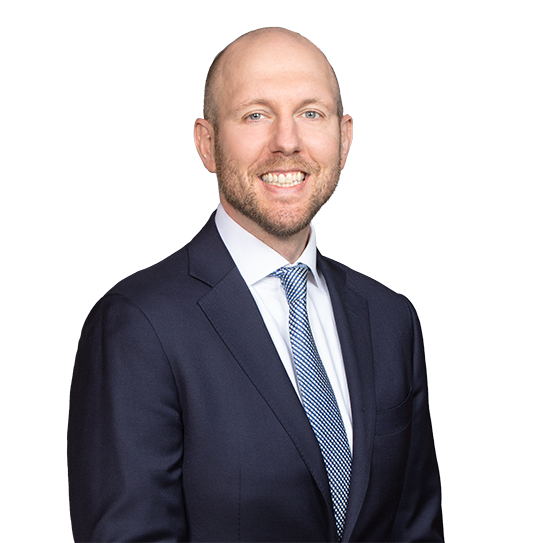 Miles D. Orton
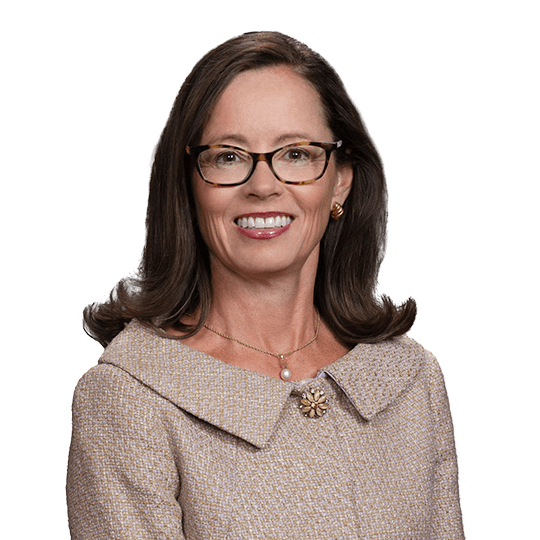 Rebecca Graves Payne
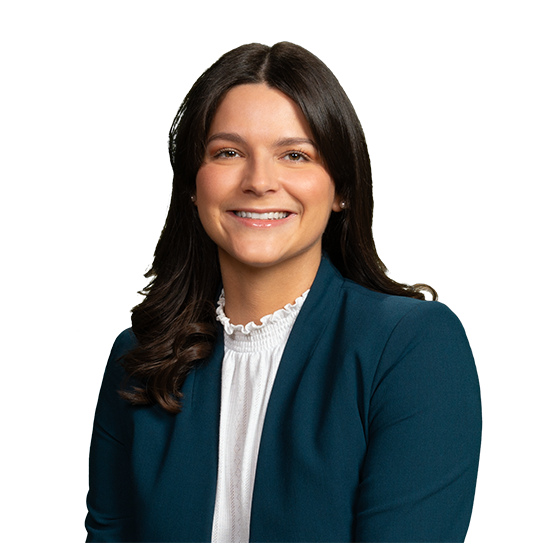 Elizabeth Poché
 Katie A. Reilly
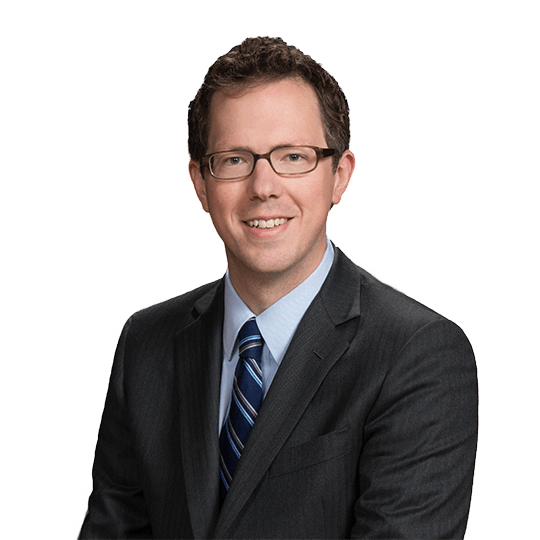 Eric L. Robertson
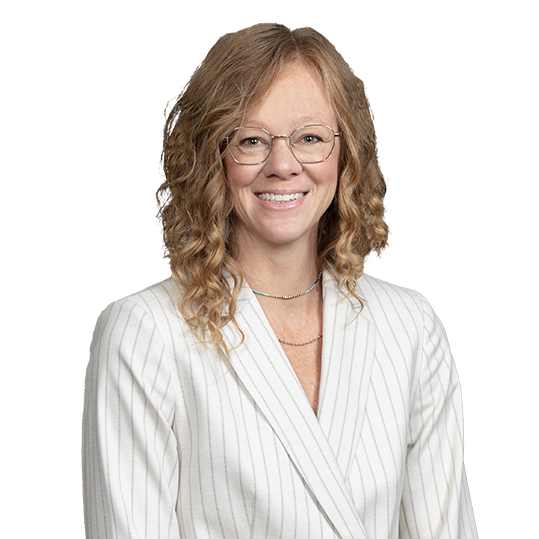 Melissa L. Romero
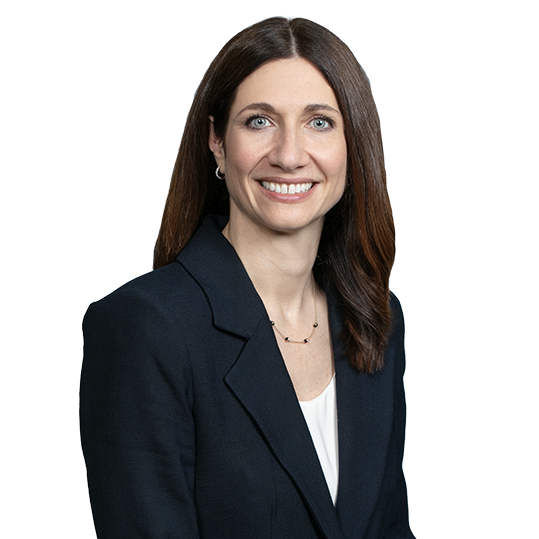 Marissa S. Ronk
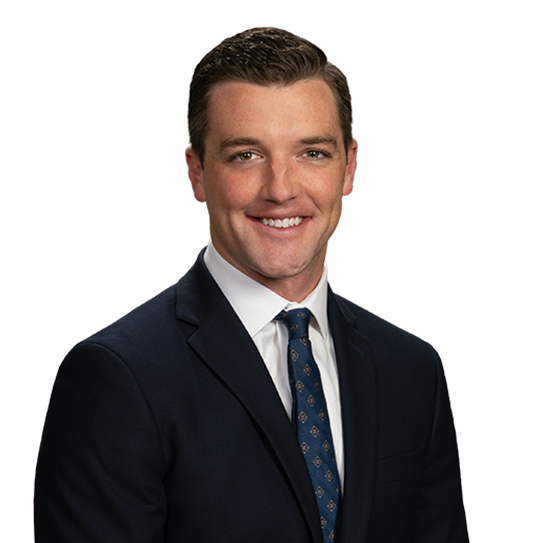 John M. Sandberg
 Jessica Goneau Scott
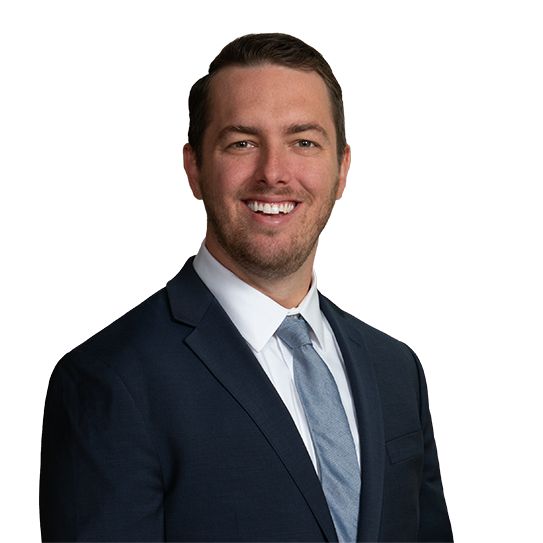 William P. Sowers
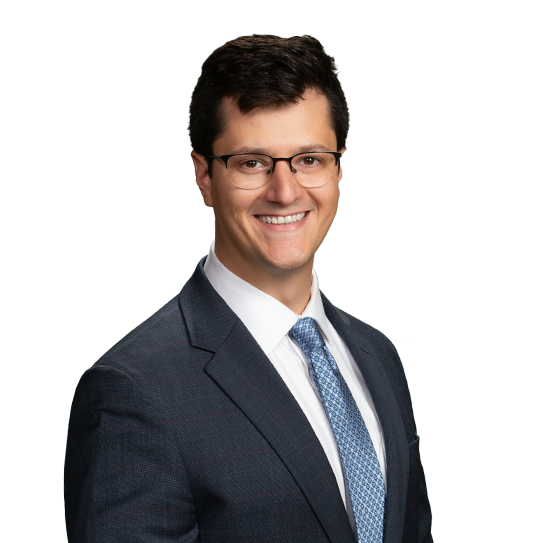 Nicholas (Nick) J. Steverson
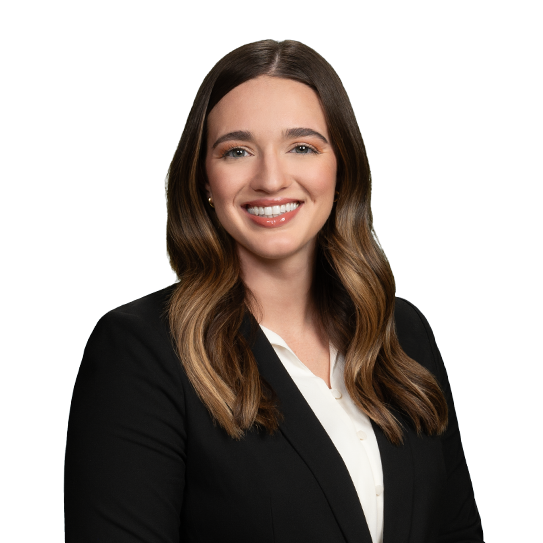 Danielle L. Trujillo
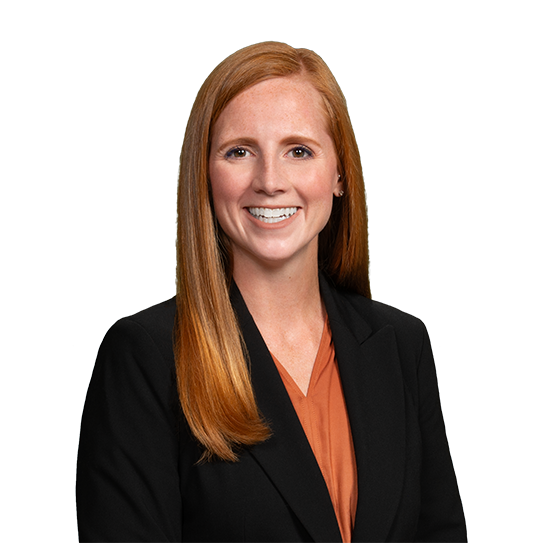 Carolyn M. Welter
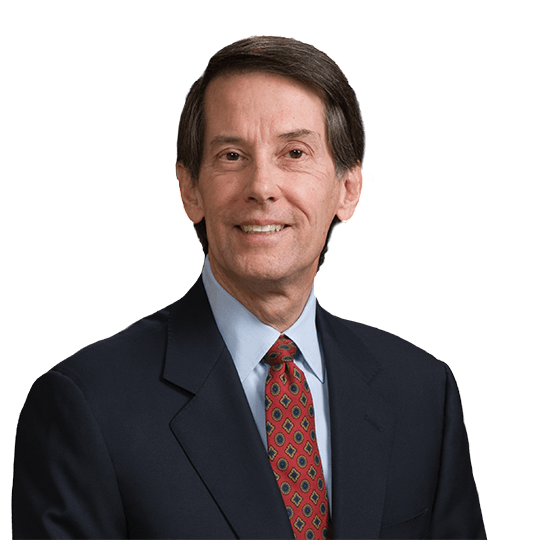 Malcolm E. Wheeler
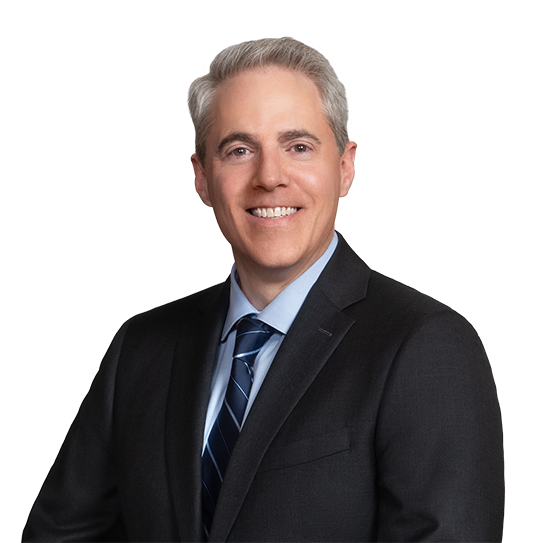 Michael T. Williams
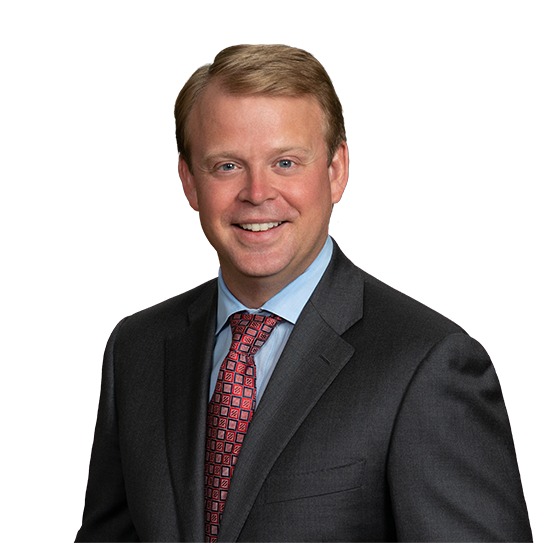 Frederick R. Yarger